What is cast iron?
What makes good cast iron? The material, and what decides its quality
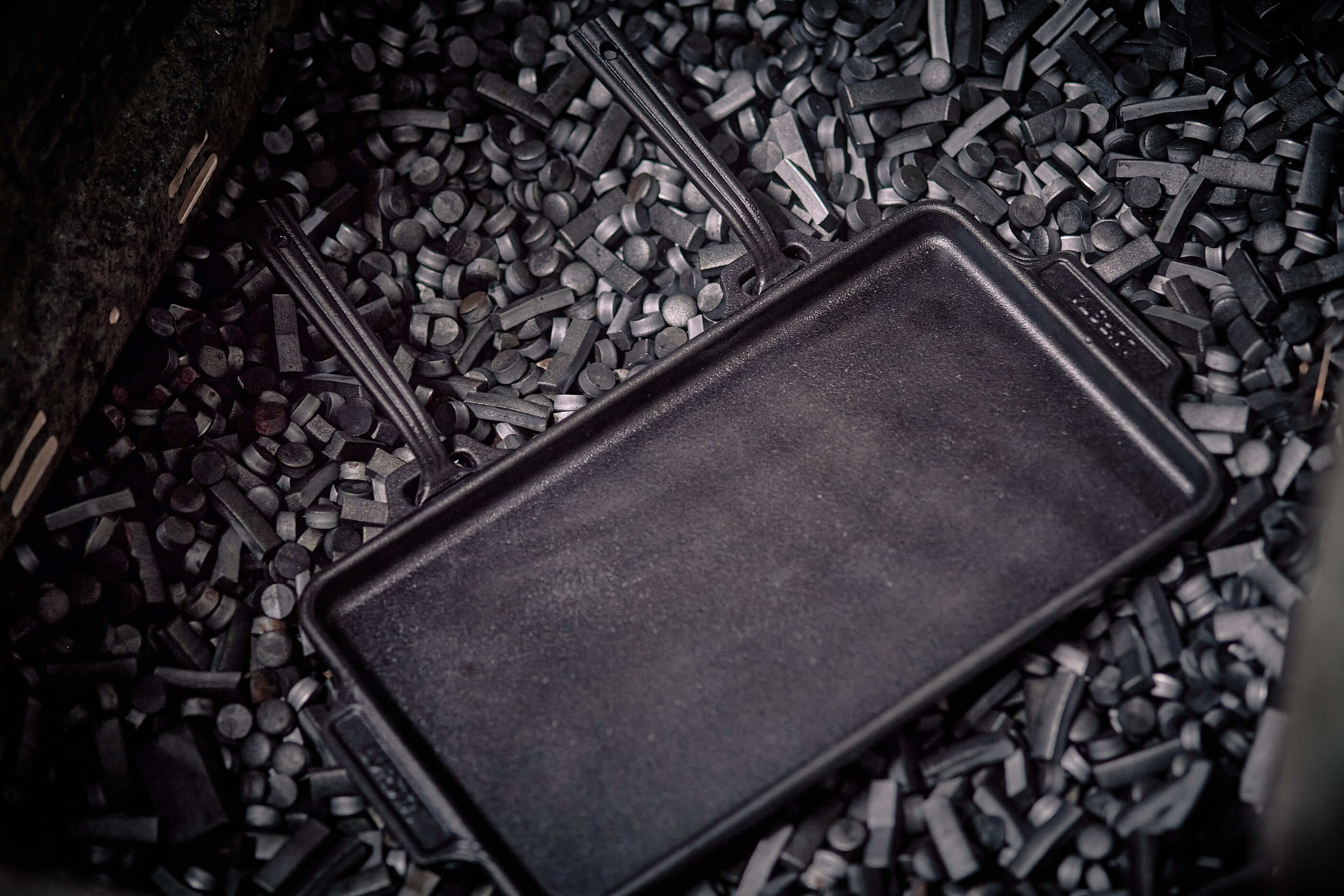
Cast iron is one of the longest-lasting materials we have in the kitchen. A good cast iron pan can last for generations. But not all cast iron is equally good.
Have you heard that old cast iron pans are often better than new ones? It isn't only because they're well seasoned. It's also about how they were cast and what went into them. In this article we look at:
1. What makes good cast iron.
2. The difference between modern and old cast iron.
3. How to tell if your pan is up to the job.

Cast iron = iron + carbon (and a little more)
Cast iron is an alloy, a mix of several elements. The main ones are:
Iron (Fe) – The main component and the base of the material.
Carbon (C), 2–4% – Affects hardness and how graphite forms, which matters a lot for how easily food releases.
Silicon (Si) – Helps carbon form as graphite and improves the cooking surface.
Manganese (Mn) & phosphorus (P) – Affect strength and durability.
Sulphur (S) – Has to be kept in check to avoid brittleness.
Plus other alloying elements, depending on what you want from the iron.
The key is the graphite. It forms tiny pockets in the surface that hold the seasoning, which is why a really good pan only gets better with time.

The difference between good and poor cast iron
Have you noticed that some cast iron pans are smooth while others feel rough? Part of it is the grain size of the moulding sand, and part of it is how the iron set after casting.
There are three main kinds of cast iron:
Grey iron – Graphite flakes form in the material, giving better release and a hard-wearing surface.
White iron – Harder and more brittle, with less graphite. Not good for pans.
Ductile iron – Stronger, but worse at cooking and spreading heat.
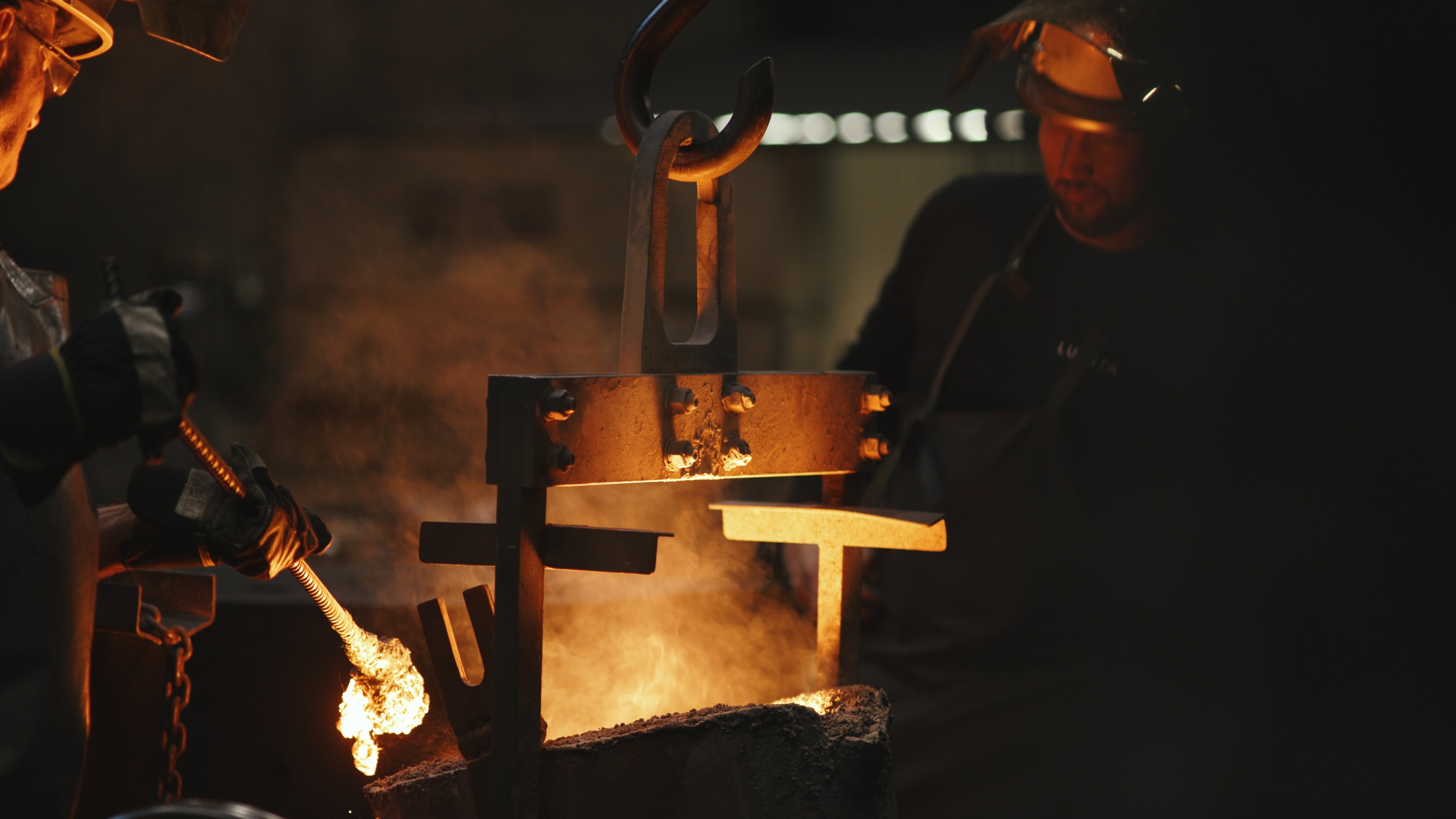
In the past, cast iron pans were cooled slowly, which gave a better graphite structure and a more even cooking surface. Today many pans are mass-produced faster, which can leave the surface uneven and less durable.
Within these main kinds there are endless recipes and grades, and this is where we differ from many other makers. We've worked out a grade we think is right for cooking with over several generations. Where a lot of things are about being as fast as possible, we take our time and keep the quality high.